Solar Rooftop: The Complete Guide to Clean Energy for Homes and Businesses in 2026
With rising electricity prices and increasing awareness about renewable energy, installing a solar rooftop system has become one of the smartest decisions for homeowners and businesses. A solar rooftop allows you to generate your own electricity using sunlight, reduce dependency on the grid, and lower your monthly power bills.
In this guide, you’ll learn what a solar rooftop system is, how it works, its benefits, types, costs, installation tips, and how to choose the right system for your needs.
What Is a Solar Rooftop System?
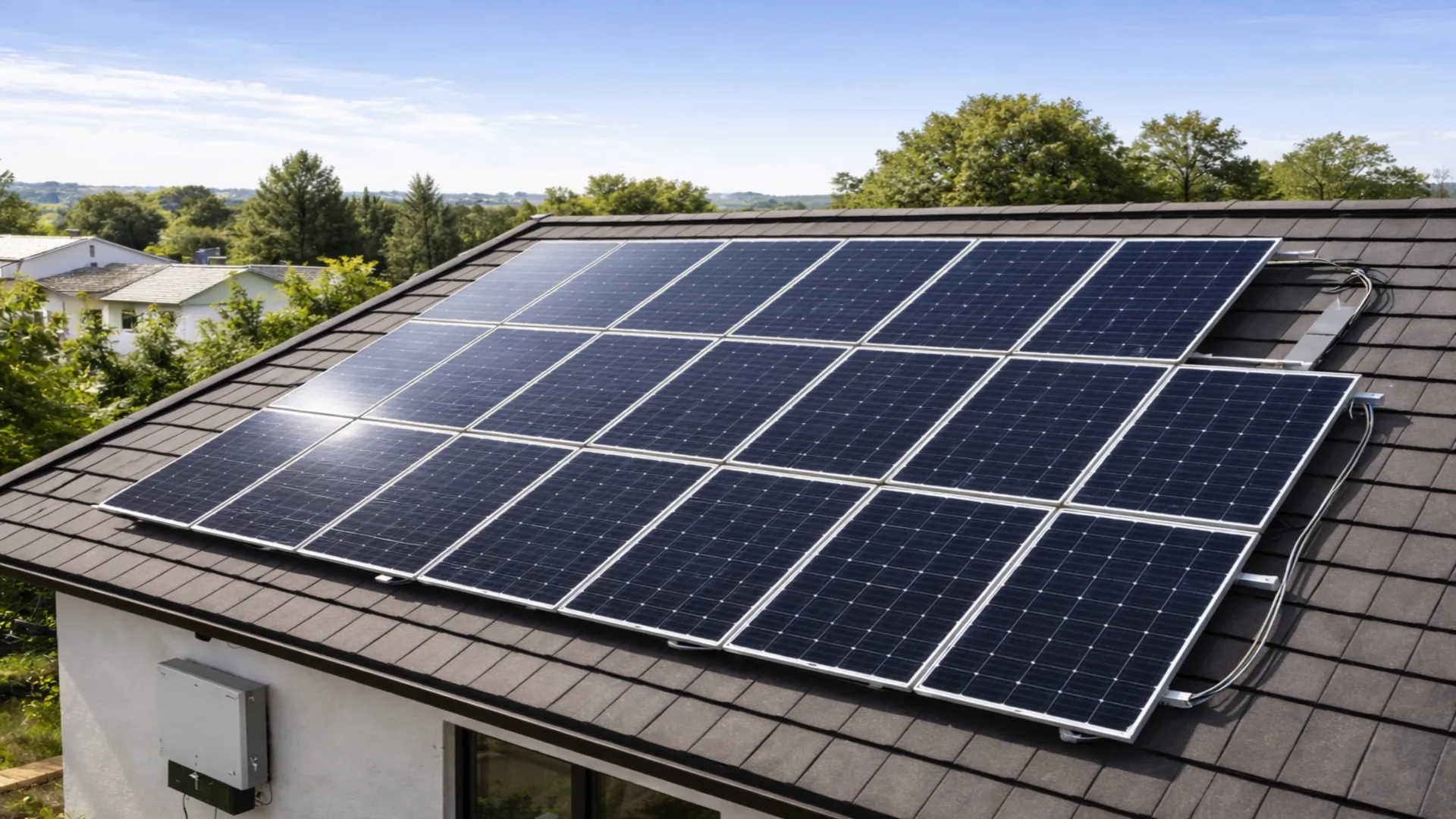
A solar rooftop system is a setup where solar panels are installed on the roof of a building to capture sunlight and convert it into electricity. The electricity generated can be used directly, stored in batteries, or exported to the power grid.
Solar rooftop systems are suitable for houses, apartments, commercial buildings, factories, and institutions.
How Does a Solar Rooftop System Work?
The working process is simple:
Solar panels absorb sunlight.
The inverter converts DC electricity into AC electricity.
Electricity powers your home or business.
Excess power is sent to the grid or stored in batteries.
This system helps reduce your electricity bill while providing clean, renewable energy.
Benefits of Installing a Solar Rooftop
Choosing a solar rooftop system offers many advantages:
Lower electricity bills
Clean and renewable energy
Reduced carbon footprint
Low maintenance
Long lifespan (25+ years)
Increases property value
A solar rooftop system can reduce electricity costs by up to 70–90% depending on usage and system size.
Types of Solar Rooftop Systems
There are three main types of solar rooftop systems:
On-Grid Solar Rooftop System
Connected to the electricity grid
No battery required
Most cost-effective
Off-Grid Solar Rooftop System
Works independently from the grid
Uses batteries for storage
Ideal for remote areas
Hybrid Solar Rooftop System
Connected to grid and batteries
Backup power during outages
Highly flexible
Your choice depends on power needs, location, and budget.
Solar Rooftop System Cost
The cost of a solar rooftop system depends on:
System capacity (1kW, 3kW, 5kW, etc.)
Type of system
Brand and panel quality
Installation complexity
Although the initial investment may seem high, the long-term savings on electricity bills make solar rooftop systems highly cost-effective.
Installation Tips for Best Performance
For maximum efficiency:
Install panels facing south (in most regions)
Avoid shadow from trees or buildings
Use high-quality mounting structures
Choose experienced installers
Proper installation ensures better performance and longer system life.
Maintenance of Solar Rooftop System
Solar rooftop systems require minimal maintenance:
Clean panels every 2–3 months
Check wiring and inverter annually
Monitor system performance
Simple care helps maintain optimal power generation.
Why Choose a Solar Rooftop for Your Home or Business?
A solar rooftop system allows you to produce your own electricity, save money, and contribute to a greener planet. It is a long-term investment that delivers reliable returns and energy independence.
Frequently Asked Questions
Does a solar rooftop system work on cloudy days?
Yes. Solar panels still generate electricity in diffused sunlight, though at lower efficiency.
How long do solar panels last?
Most panels last 25–30 years or more.
Is rooftop solar suitable for apartments?
Yes. Shared or individual rooftop systems can be installed.
Conclusion
Installing a solar rooftop system is one of the best ways to reduce electricity costs and move towards sustainable living. With multiple system options available, there is a solar rooftop solution for every home and business.
If you’re planning to switch to renewable energy, now is the perfect time to invest in solar rooftop.
